The Balkans and Eastern Europe: The Lack of Bike Infrastructure
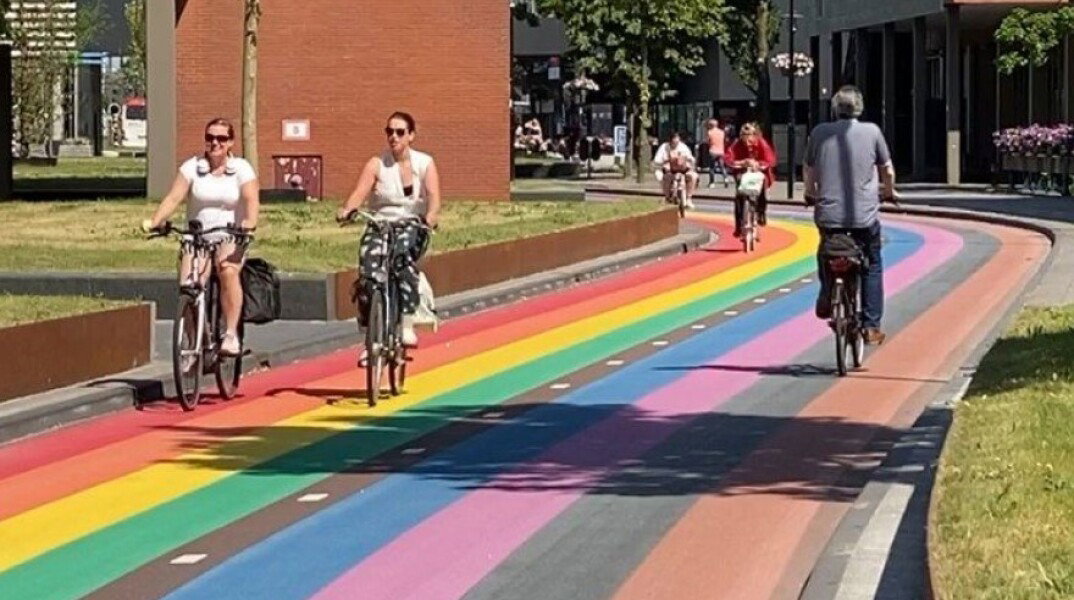
In Balkan and Eastern European countries such as Albania, North Macedonia, and, to a large extent, Greece, cycling infrastructure remains fragmented and underdeveloped. In many cases, bike lanes are limited to only a few kilometers within major city centers and are completely absent from suburbs and national roads. In Greece especially, much of the existing cycling network suffers from serious infrastructure problems.
| Χώρα | Εκτιμώμενα χλμ ποδηλατοδρόμων | Εκτιμώμενη έκταση ποδηλατοδρόμων | Συνολική έκταση χώρας | Ποσοστό κάλυψης |
|---|---|---|---|---|
| Αλβανία | ~150 km | ~0,375 km² | 28.748 km² | ~0,0013% |
| Βόρεια Μακεδονία | ~120 km | ~0,300 km² | 25.713 km² | ~0,0012% |
| Ελλάδα | ~500 km | ~1,250 km² | 131.957 km² | ~0,00095% |
πηγη: ChatGPT
Limited Bike Lanes and Increased Pollution
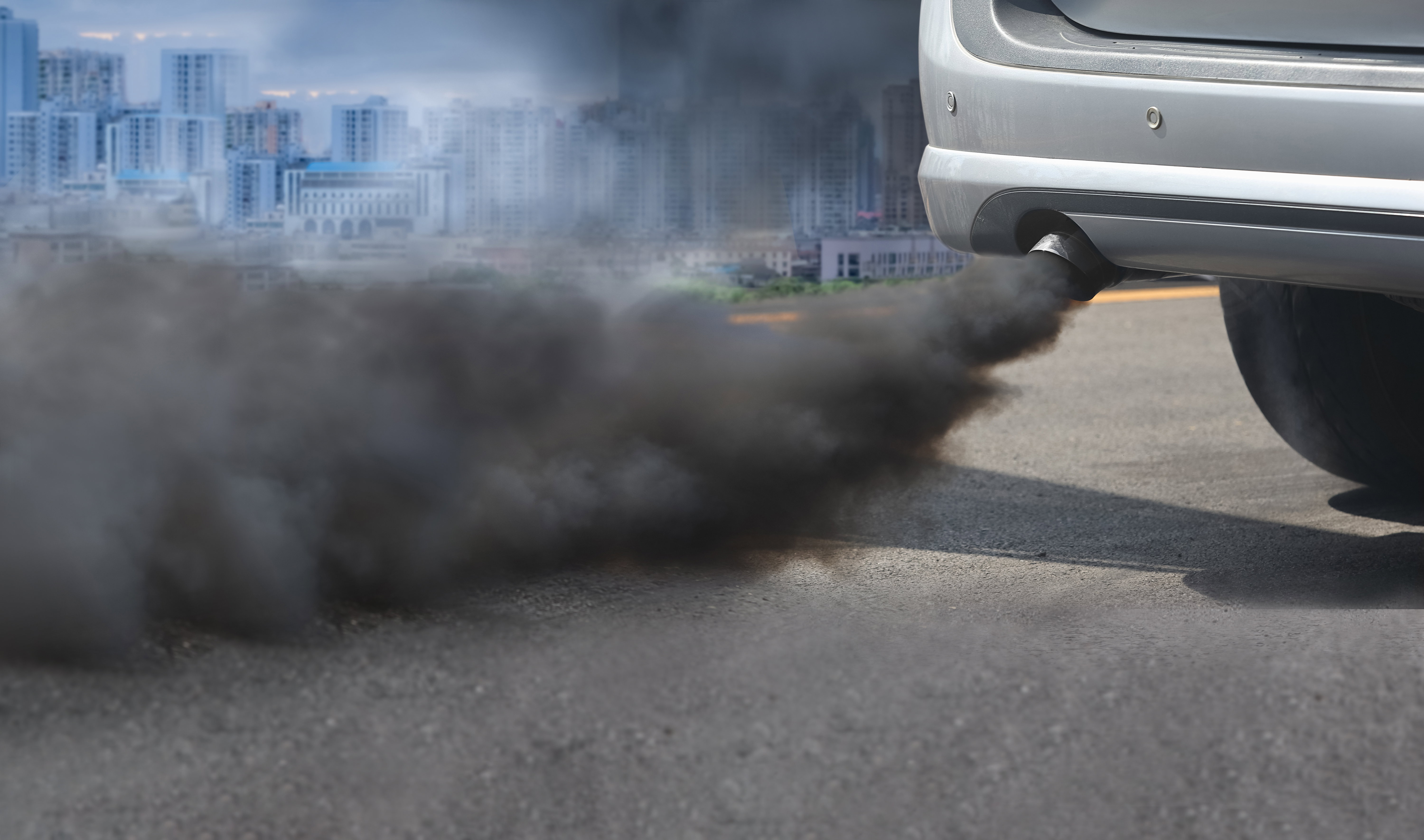
As shown in the data above, these countries have extremely limited cycling infrastructure. This forces citizens to rely heavily on cars for daily transportation, leading to increased air pollution, traffic congestion, and a lower quality of life.For example, in Thessaloniki there are very few proper bike lanes, while air pollution and vehicle emissions remain a major problem.
Comparison With Other Countries
Meanwhile, many countries in Western Europe and even parts of the United States have invested heavily in cycling infrastructure.In the Netherlands, for example, there are entire highway systems designed exclusively for bicycles, featuring advanced infrastructure and services such as:
- dedicated cycling routes
- frequent rest stops
- smart traffic systems
- and even heated bike paths in some areas
These investments encourage people to use bicycles more often, reducing pollution and improving public health.
What You Can Do
- Demand better cycling infrastructure from local municipalities and governments
- Use bicycles more frequently whenever possible
- Reduce unnecessary car usage
- Support environmentally friendly transportation policies
Even small transportation changes can help reduce emissions and improve life in our cities.
A Cleaner Future Is Possible
By promoting sustainable transportation and reducing dependence on cars, citizens can help fight air pollution and contribute to a healthier planet.