Coral Reef Destruction: One of the World’s Worst Environmental Problems
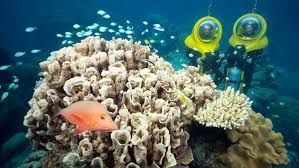
Coral Reefs: One of the Most Serious Environmental Crises
Australia’s Great Barrier Reef is facing an unprecedented collapse due to the climate crisis, experiencing some of the worst mass bleaching events ever recorded — including those observed in 2024 — driven by extreme marine heatwaves. Rising ocean temperatures force corals to expel the algae they depend on, causing them to lose both their color and their ability to survive.
Key Facts Behind the Crisis
Mass Coral Bleaching
The reef has suffered multiple and increasingly frequent bleaching events, with recent surveys showing that nearly 73% of the reef has been affected.
Climate Change
Rising ocean temperatures linked to fossil fuel emissions remain the primary cause of coral bleaching and reef degradation.
Loss of Biodiversity
By 2020, scientists reported that the Great Barrier Reef had already lost around half of its corals over the previous 25 years.
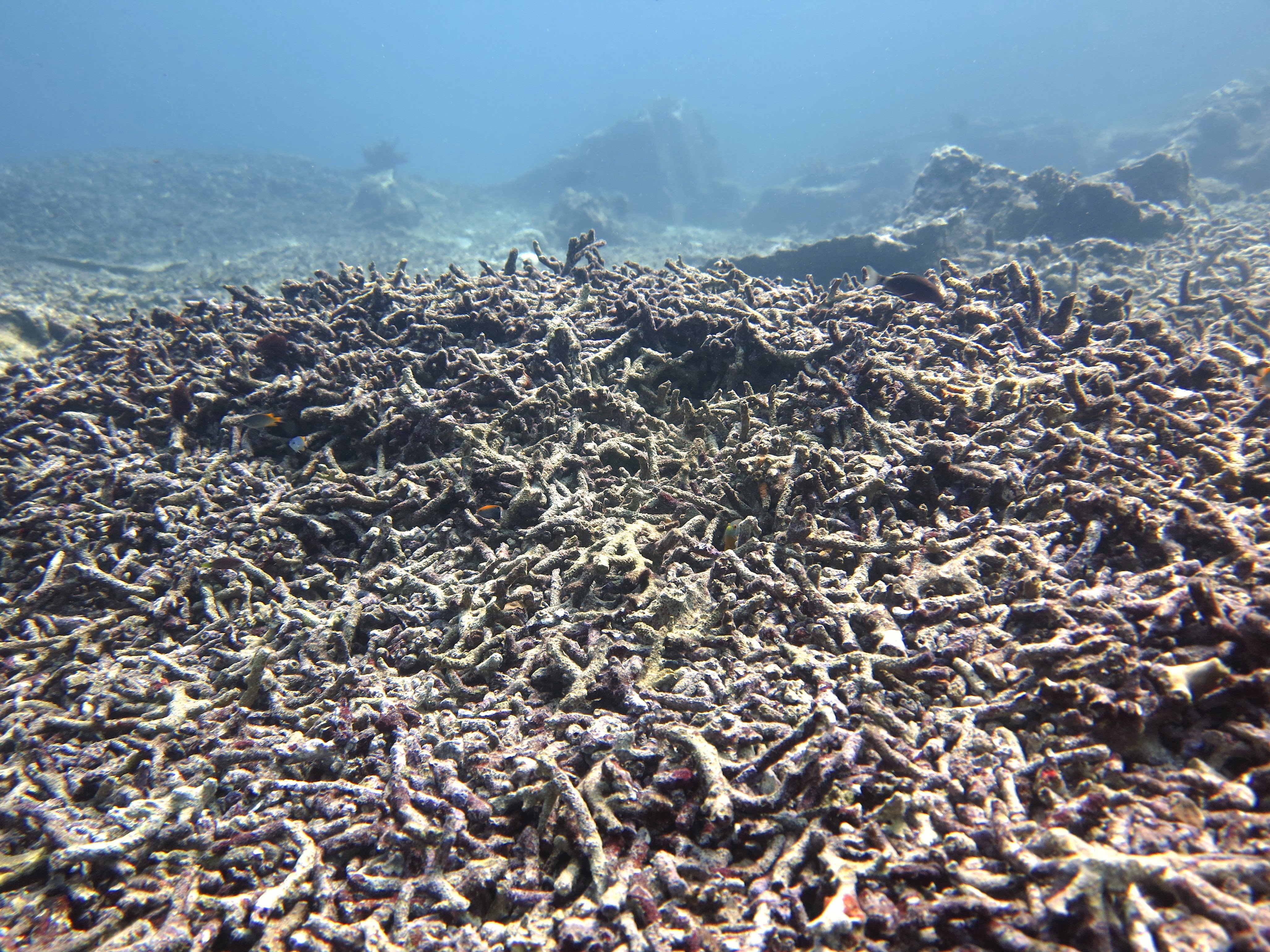
Environmental Impact
The destruction of the reef threatens one of the world’s most unique and diverse ecosystems, putting countless marine species at risk.Scientists warn that if global warming continues at its current pace, conditions will worsen dramatically, making the reef’s protection an urgent global priority.Although the Great Barrier Reef is not dead yet, it could eventually disappear if humanity continues on the same path. However, there is still hope — as long as the reef remains alive. That hope depends on the choices we make today and the action we take against climate change.