What is the problem with the Great Pacific Garbage patch?
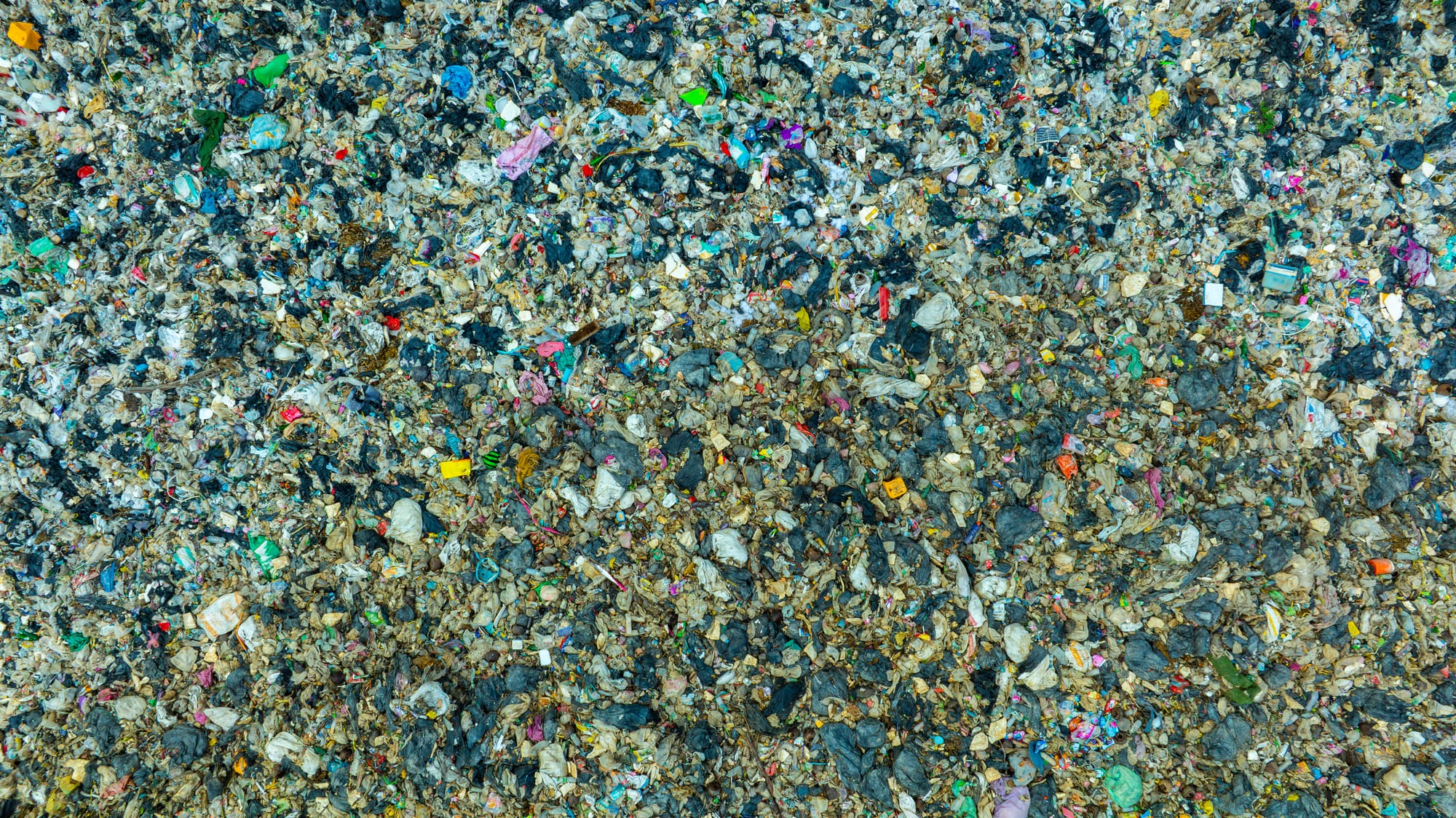
Great Pacific Garbage Patch (GPGP) is a whole island made out of plastic beetwin Hawai and California. It weighs about 100.000 tones. It is three times the size of France(ten times larger than Greece), and it is the most gigantic from the five great garbage patches that exist now. The other for are the South Pacific Garbage Patch, the North Atlantic Garbage Patch, the South Atlantic Garbage Patch and the Indian Ocean Garbage Patch.
The most of us believe that the most of the pastic comes from the beaches, but studies has shown that the most macro plastics come from fishing activities.
As the patch has formed at international waters, no single government can clean it up alone. That's why different countries and organizations cooperate together with lot's of results:
- Progress: The organization has successfully removed over 50 million kilograms of trash from global rivers and oceans combined.
- AI Technology: Clean-up operations utilize a Smart Steering Strategy driven by AI to track high-density plastic "hotspots" in real-time. This allows support vessels to navigate directly to the thickest areas of the patch, making extraction highly efficient.
- The Cost: Studies show that completely clearing the Great Pacific Garbage Patch is achievable, with an estimated price tag of $7.5 billion.
For more information, you can always contact us !