Top 10 Zero-Waste Solutions for the Home
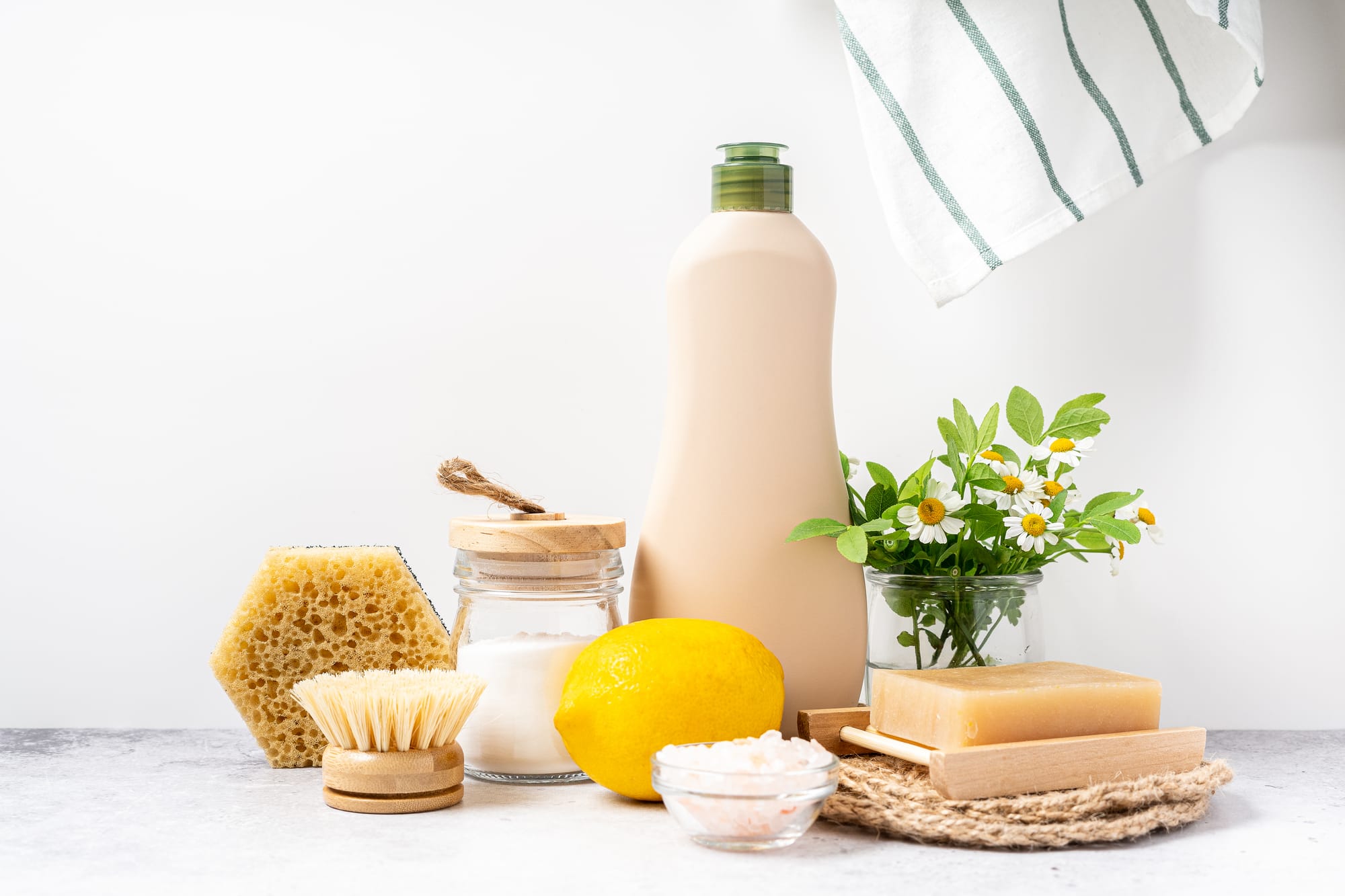
SaveEnvironment promotes practical zero-waste solutions that can start with small daily habits. The “zero-waste” philosophy does not mean perfection — it means consistently reducing waste, reusing, repairing, and recycling correctly. Below are 10 actionable ideas for every part of the home, from the kitchen to the bathroom.
Top 10 Zero-Waste Solutions for the Home
1. Organize the kitchen with reusable containers
Replace single-use plastic bags and containers with glass jars, stainless steel boxes, and fabric bags. Store food like pasta, rice, nuts, and grains in transparent jars to reduce waste and avoid duplicate purchases.
2. Buy in bulk with a list
Choose bulk shopping whenever possible to reduce packaging waste. Bring your own containers and buy only what you need to avoid food waste and unnecessary consumption.

3. Start composting organic waste
Food scraps such as vegetable peels and coffee grounds can be turned into compost. This reduces household waste and enriches soil naturally.
4. Replace cling film and foil
Use silicone lids, reusable covers, or sealed containers instead of disposable wraps and aluminum foil.
5. Use reusable bottles and thermoses
A reusable water bottle and thermos significantly reduce plastic waste from bottled drinks.
6. Choose low-waste bathroom products
Switch to solid shampoo bars, bar soap, and refillable personal care products to reduce plastic packaging.

7. Reduce waste in oral hygiene
Use toothbrushes with replaceable heads or more sustainable materials, and look for refillable dental floss options.
8. Clean the home with concentrated or DIY products
Use refillable cleaning products or simple natural alternatives like vinegar and baking soda, along with reusable cloths instead of paper towels.
9. Extend the life of clothing
Wash clothes at lower temperatures, repair small damages, and choose long-lasting garments to reduce textile waste.
10. Create a zero-waste corner at home
Set up a small station for reusable items, recycling, and sorting waste. Start with small, realistic goals and build habits gradually.
Start Today
Begin with 2–3 simple changes, such as using reusable containers, carrying a water bottle, or switching to solid soap. Once these become routine, gradually add more habits. Over time, zero-waste living becomes easier, more natural, and far more sustainable.